
30+ Years of Industry-Leading Products & Local Experience
Expert Mosquito Control & Prevention for Santa Clarita Homes & Businesses
Mosquitoes are more than just a seasonal nuisance in Southern California. Our warm climate, combined with regular irrigation and ornamental landscaping, creates the perfect environment that supports almost year-round mosquito breeding activity. And with the rapid spread of the invasive Aedes mosquito (yes, those “ankle biters”) throughout Los Angeles County over the past decade, the problem has become more persistent, more aggressive, and more difficult for home and business owners to manage without professional intervention.
Unfortunately, mosquitoes are not just a common and annoying pest. They are also the deadliest creature on the planet – no joke, check the stats! – and are responsible for more deaths each year than any other animal through the transmission of West Nile virus, dengue fever, Zika virus, and other diseases that are active in California.
At No Bugs Termite and Pest Control Inc, we provide professional mosquito control designed to reduce populations at the source, disrupt the breeding cycle, and protect your outdoor spaces throughout the season. With 30+ years of field experience servicing properties throughout Santa Clarita, our team understands the local mosquito species, the conditions that drive local population pressure, and treatment strategies that deliver lasting results rather than temporary relief. Schedule a free consultation today by calling (661) 294-0206 or filling out our online contact form.
- Property & Breeding Site Inspections
- Targeted Yard Spray Treatments
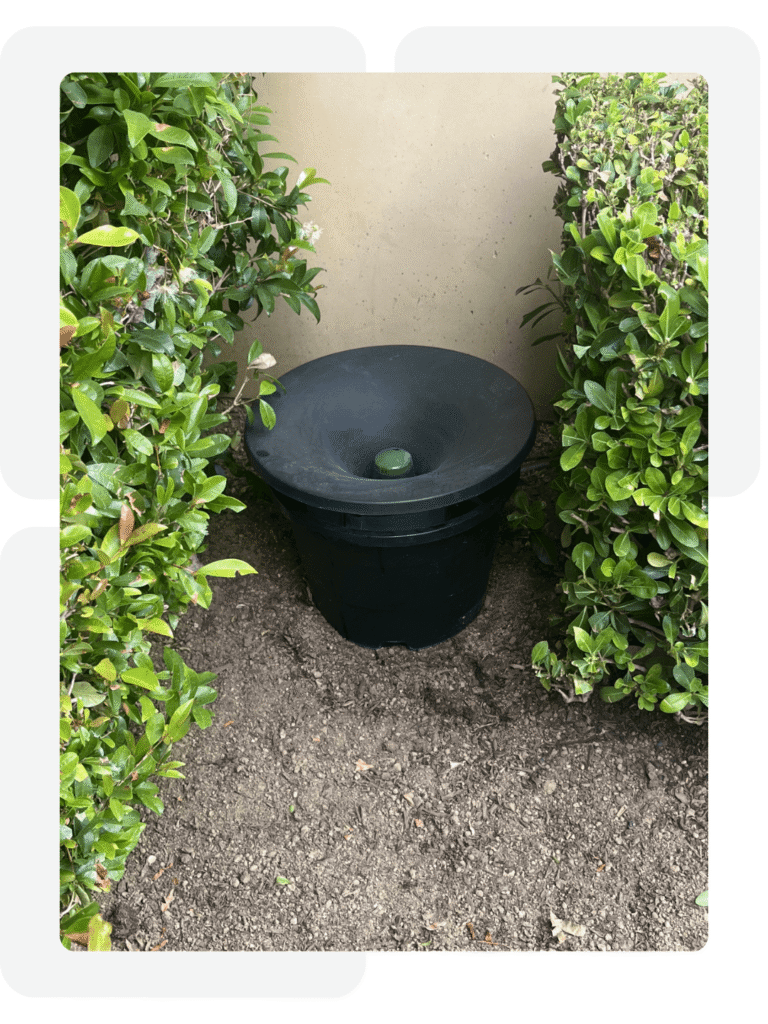
- In2Care Mosquito Stations
- Seasonal Treatment Programs
- Pet & Family Friendly Products
- Transparent Pricing: No Surprises



- Property & Breeding Site Inspections
- Targeted Yard Spray Treatments
- In2Care Mosquito Stations
- Seasonal Treatment Programs
- Pet & Family Friendly Products
- Transparent Pricing: No Surprises
30+ Years of Industry-Leading Products & Local Experience
Expert Mosquito Control & Prevention for Santa Clarita Homes & Businesses
Mosquitoes are more than just a seasonal nuisance in Southern California. Our warm climate, combined with regular irrigation and ornamental landscaping, creates the perfect environment that supports almost year-round mosquito breeding activity. And with the rapid spread of the invasive Aedes mosquito (yes, those “ankle biters”) throughout Los Angeles County over the past decade, the problem has become more persistent, more aggressive, and more difficult for home and business owners to manage without professional intervention.
Unfortunately, mosquitoes are not just a common and annoying pest. They are also the deadliest creature on the planet – no joke, check the stats! – and are responsible for more deaths each year than any other animal through the transmission of West Nile virus, dengue fever, Zika virus, and other diseases that are active in California.
At No Bugs Termite and Pest Control Inc, we provide professional mosquito control designed to reduce populations at the source, disrupt the breeding cycle, and protect your outdoor spaces throughout the season. With 30+ years of field experience servicing properties throughout Santa Clarita, our team understands the local mosquito species, the conditions that drive local population pressure, and treatment strategies that deliver lasting results rather than temporary relief. Schedule a free consultation today by calling (661) 294-0206 or filling out our online contact form.

Your One-Stop-Shop for Mosquito Control
All-Inclusive Mosquito Control in Santa Clarita
Effective mosquito control is not solved by a single yard treatment. These are flying insects, and Vector Control would have to drop product on your entire neighborhood and enforce landscaping limits to actually fix the problem (any pest control company that claims differently should be avoided). But that doesn’t mean a measure of control is impossible. Control comes from understanding which species are active on your property, where they are breeding, and how to simultaneously disrupt their lifecycle at multiple stages. At No Bugs, our mosquito control program combines targeted yard treatments with strategically placed In2Care Mosquito Stations to address both adult mosquitoes and larvae, reducing the population at your property while also impacting breeding sites in the surrounding area. We assess each property, pinpoint what’s driving activity, apply a targeted treatment plan, and monitor results all season long.
Property Inspection
Every mosquito control program at No Bugs begins with a thorough inspection of your property. Our technicians walk the full perimeter and interior of your yard, identifying active and potential breeding sites, noting areas of standing water, dense vegetation, and other conditions that support mosquito activity.
Targeted Yard Sprays
Mosquitoes spend the majority of their time resting in cool, shaded areas, dense shrubs, ground cover, and tall grass rather than actively flying, which means treatment of these harborage areas is one of the most effective ways to reduce the adult population on your property. Our technicians apply professional-grade products to resting sites throughout the yard to help reduce the population on your property.
In2Care Mosquito Stations
The In2Care Mosquito Station is the centerpiece of our mosquito control program and one of the most effective tools available for residential and commercial mosquito management. The stations are strategically placed in hotspot areas on your property and work by posing as an attractive breeding site for female mosquitoes. The product targets both adult female and the larvae to protect your home.
Breeding Site Guidance
Mosquitoes can complete their development from egg to adult in as little as seven to ten days in warm weather, and they can breed in quantities of water as small as a bottle cap. After inspecting your property, our technicians provide specific, actionable guidance on eliminating and managing the breeding sites identified during the assessment.
Seasonal Programs
Mosquito populations in Santa Clarita are not static: They fluctuate with temperature, rainfall, irrigation patterns, and other uncontrollable factors. A single yard spray can reduce the population temporarily but does not prevent reinfestation from surrounding areas. Our ongoing seasonal programs include regularly scheduled yard treatments and station maintenance to help manage activity levels.
Ongoing Monitoring
Mosquito control is an ongoing process, not a one-time fix, and activity levels can vary based on so many factors outside of your control. Our technicians conduct follow-up visits to assess treatment effectiveness, refresh In2Care stations, identify new breeding sites, and provide guidance based on property conditions, environmental changes, and seasonal pressure.
The Best Products & Strategies for Mosquito Control
The Science Behind the In2Care Mosquito Stations
Traditional mosquito control focuses on killing adult mosquitoes through spray applications. This is effective and important, but it is inherently reactive, targeting the mosquitoes that are already present rather than disrupting the population before it develops. The In2Care station adds a proactive, lifecycle-targeting layer to that approach by exploiting the mosquito’s own behavior against it.
Female mosquitoes must lay their eggs in water. The In2Care station is designed to look, smell, and function like an ideal breeding site, drawing in gravid females that are actively searching for a place to deposit their eggs. When a female enters the station, she picks up a biological fungal agent and a pyriproxyfen larvicide on her body and legs. She then departs and continues her normal behavior, visiting multiple additional water sources in the area to lay more eggs. At every water source she visits after contamination, she deposits the larvicide, killing the larvae that develop there. The fungus works more slowly, killing the adult female within a few days, after she has had time to spread the product widely. The larvicide kills mosquito larvae before they can reach adulthood, and the fungus kills the adult female within a few days, after she has had the opportunity to spread the product to additional sites.
This autocidal approach is particularly significant for Aedes mosquitoes, which breed in dozens of small, scattered water sources including plant saucers, bottle caps, tarps, and ornamental containers that are virtually impossible to find and eliminate through inspection alone. By using the mosquito as its own vector for spreading the control agent, the In2Care station reaches breeding sites that no technician could practically treat.
The station is registered with the U.S. Environmental Protection Agency, uses biological and low-toxicity active ingredients, and has been validated in residential and commercial settings including hospitals, schools, and restaurants. It is designed to be safe for people, pets, and wildlife, including pollinators, when used as directed.
Our technicians place stations in the areas of your property where mosquito activity is highest and where female mosquitoes are most likely to encounter them. The product is refreshed on a regular service schedule to ensure consistent efficacy throughout the active season.


"What's Biting Me?" A Santa Clarita Field Guide
Mosquito Species in the Santa Clarita Valley
Santa Clarita’s mosquito problem has evolved over the last decade. For most of our valley’s history, mosquito season typically meant Culex mosquitoes flying around in the evening and ruining outdoor events. Unfortunately, they aren’t our only problem now!
Two invasive and aggressive Aedes species have established themselves throughout Los Angeles County. Aedes aegypti and Aedes albopictus spread globally through the international used tire trade, hitchhiking as eggs and larvae in water-holding containers shipped from regions where they are endemic. Aedes aegypti was notably first detected in California in 2013 and has been expanding its territory across Los Angeles County ever since.
Unlike the Culex mosquitoes, these two Aedes species are daytime biters that breed in small water sources like plant saucers and bottle caps, aggressively pursue you across the yard like you’re a walking hamburger, and do not take a winter break. In other words, the residents of SoCal have no peace from these biting insects no matter the season or time of day.
So, if you feel like the mosquito activity around your home is getting significantly worse each year, you are absolutely correct, and these new invaders are likely the source of your many bites and woes. In Santa Clarita, the species active on your property determines when you get bitten, where the breeding is happening, and what kind of treatment or yard adjustments can help reduce activity levels.
Culex Mosquitoes (Western Encephalitis Mosquito & Southern House Mosquito)
What they look like: Culex mosquitoes are the species most people picture when they think of a mosquito. They are medium-sized, brownish, and relatively unremarkable in appearance compared to the more distinctively marked Aedes species. They are approximately one-quarter inch long with a rounded abdomen and banded legs. Several Culex species are present in Santa Clarita, with Culex tarsalis and Culex quinquefasciatus being the most common and most medically significant.
When they bite: Culex mosquitoes are crepuscular and nocturnal biters, meaning they are most active from dusk through the night and into the early morning hours. If you are being bitten primarily in the evening while sitting outdoors, or finding bites in the morning that you do not remember receiving, Culex mosquitoes are the most likely culprit. They are far less active during daylight hours than Aedes species.
Where they breed: Culex mosquitoes prefer larger, stagnant water sources with organic matter content. Common breeding sites on residential properties include neglected swimming pools, ornamental ponds without adequate circulation or treatment, bird baths with standing water, drainage ditches, irrigation runoff, and any container that holds water for more than a week. They are strong fliers that can travel significant distances from their breeding site to find a blood meal, which means Culex mosquitoes biting on your property may not necessarily be breeding there.
Key behaviors: Culex mosquitoes are the primary vectors of West Nile virus in California. They acquire the virus by feeding on infected birds and transmit it to humans and other mammals through subsequent bites. West Nile virus activity in Los Angeles County is monitored and reported annually, with human cases recorded most years. Culex quinquefasciatus, the Southern house mosquito, is also associated with the transmission of St. Louis encephalitis virus and is a competent vector for Western equine encephalitis. Both species are most active in warm weather and their populations peak in summer and early fall in the Santa Clarita Valley.
The risk profile: West Nile virus is the most significant mosquito-borne disease risk in California. Most people infected with West Nile virus experience no symptoms or mild flu-like illness. However, approximately one in 150 infected individuals develops severe neurological illness, and the risk of serious outcomes is significantly higher for adults over 50 and immunocompromised individuals. There is no vaccine or specific treatment for West Nile virus infection. Prevention through mosquito control and personal protective measures is the only meaningful defense.
Aedes aegypti (Yellow Fever Mosquito)
What they look like: Aedes aegypti is a small, distinctively marked mosquito with bright white lyre-shaped markings on its thorax and white banded legs against a black body. It is noticeably smaller than a Culex mosquito and faster and more agile in flight. Once you know what to look for, it is recognizable, but at a glance it is often dismissed as just another small mosquito.
When they bite: This is the most important behavioral distinction between Aedes aegypti and the Culex mosquitoes most Californians grew up with. Aedes aegypti is a daytime biter, aggressive and persistent, that is active primarily during the morning and late afternoon hours. If you are being bitten outdoors during the day, particularly in shaded areas of your yard, and the bites seem to follow you around rather than occurring in one location, Aedes aegypti is almost certainly the species responsible. It bites low, targeting ankles and feet preferentially, and it is notoriously difficult to swat because of its fast, evasive flight pattern.
Where they breed: Aedes aegypti is a container breeder that has evolved specifically to exploit small, human-associated water sources. It does not breed in ponds, ditches, or pools. It breeds in bottle caps, plant saucers, buckets, the folds of tarps, pet water bowls, clogged gutters, ornamental containers, and any other small vessel that holds even a small amount of water for more than a week. This breeding behavior is what makes it so difficult to control through inspection and source elimination alone, and it is the primary reason the In2Care station is so effective against this species.
Key behaviors: Aedes aegypti is an invasive species that was not present in California until relatively recently. It was first detected in the Los Angeles Basin in 2013 and has since spread throughout the county, including into the Santa Clarita Valley. It is now considered established in our region and is present year-round, with populations peaking in warmer months but remaining active during mild Southern California winters. Unlike Culex mosquitoes, Aedes aegypti is a highly domestic species that prefers to breed and feed in close proximity to human habitation, which is why infestations feel so personal and so persistent.
The risk profile: Aedes aegypti is a confirmed vector of dengue fever, Zika virus, chikungunya, and yellow fever. While none of these diseases are currently endemic in California, Aedes aegypti’s establishment here means that the infrastructure for a local outbreak exists if any of these viruses are introduced by a traveler. Los Angeles County public health authorities monitor Aedes aegypti populations actively and consider it one of the most significant emerging vector threats in the region. Beyond disease transmission, the species causes genuine quality-of-life impacts because of its aggressive daytime biting behavior, which drives people indoors and makes outdoor spaces unusable during peak activity periods.
Aedes albopictus (Asian Tiger Mosquito)
What they look like: The Asian tiger mosquito is similar in appearance to Aedes aegypti, with a black and white pattern and banded legs, but with a single distinctive white stripe running down the center of its thorax rather than the lyre-shaped marking of aegypti. It is slightly larger than aegypti and equally aggressive. The two species are often found in the same areas and can be difficult to distinguish without close inspection.
When they bite: Like Aedes aegypti, the Asian tiger mosquito is a daytime biter that is most active in the morning and late afternoon. It is aggressive and persistent and will follow a host for considerable distances. Properties dealing with daytime biting may have either or both Aedes species present, and the management approach is the same for both.
Where they breed: Aedes albopictus is also a container breeder with similar habitat preferences to Aedes aegypti. It has a slightly broader tolerance for outdoor and natural breeding sites, including tree holes, bamboo internodes, and leaf axils, in addition to the human-associated containers preferred by aegypti. Both species are present in Los Angeles County and both have been detected in the Santa Clarita area.
Key behaviors: The Asian tiger mosquito has an even wider global distribution than Aedes aegypti and is considered one of the most invasive mosquito species in the world. Like aegypti, it is a competent vector for dengue, Zika, and chikungunya. Its establishment in Southern California alongside Aedes aegypti represents a compounding of the invasive Aedes problem in our region. Vector control districts throughout Los Angeles County actively monitor and trap both species.
The risk profile: The risk profile for Aedes albopictus is similar to that of Aedes aegypti, with the same vector competence for dengue, Zika, and chikungunya. At the current time, local transmission of these diseases has not been documented in California, but the risk is taken seriously by public health authorities given the density and distribution of the invasive Aedes population in the Los Angeles Basin.
Culiseta (Cool-Weather Mosquitoes)
What they look like: Culiseta species are larger than Culex mosquitoes, often spotted or mottled in appearance, and are notable for their activity in cooler weather. They are less commonly encountered in residential settings than Culex or Aedes species but are present in the Santa Clarita Valley, particularly in areas near natural water sources, wetland margins, and canyon terrain.
When they bite: Culiseta mosquitoes are primarily crepuscular and nocturnal biters, similar to Culex species, but are notably active during cooler months when other species are less abundant. Encountering mosquito bites during fall and winter in Santa Clarita is often attributable to Culiseta activity.
Where they breed: Culiseta species breed in a range of water sources including marshes, ponds, stream margins, and standing water in natural settings. Residential breeding on typical urban properties is less common than for Culex or Aedes species, but properties adjacent to canyon terrain, natural drainage channels, and riparian areas in the SCV are more likely to experience Culiseta pressure.
The risk profile: Culiseta species are nuisance biters that are not associated with the same level of disease transmission risk as Culex or Aedes mosquitoes in California. Their primary impact is comfort-related, particularly for properties near natural water in the cooler months when other mosquito species are less active.

Culex Mosquito

Aedes Aegypti

Aedes Albopictus
Mosquitoes & Public Health in Santa Clarita
Most people think of mosquitoes as a warm-weather annoyance, something to swat at during a backyard barbecue and forget about by October. The reality is considerably more serious: Mosquitoes are classified by the U.S. Centers for Disease Control and Prevention as the deadliest animal on the planet, responsible for more than 700,000 human deaths every year through disease transmission. That number is not driven by any single illness but by the remarkable range of viruses and parasites these insects carry and spread through a single bite. Several of those diseases are not theoretical risks; they are active, documented, and present in Los Angeles County right now, with new human cases recorded in our region every year.
Reducing mosquito populations on your property is a direct contribution to community-level vector control. Every breeding site eliminated, every adult mosquito reduced through professional treatment, and every household that maintains consistent mosquito management makes the surrounding neighborhood safer.
At No Bugs, we take this responsibility seriously. Our treatment programs are designed to make a meaningful impact on the mosquito population at your property, and we stay current on the vector surveillance data published by Los Angeles County Vector Control District so that our recommendations reflect actual current conditions in our service areas.
West Nile Virus in California
West Nile virus arrived in California in 2003 and is now endemic throughout the state. Since then, the California Department of Public Health has recorded over 7,500 human cases and more than 300 deaths. Los Angeles County reports new cases every year, and the virus circulates continuously in the local bird population, which is the primary reservoir from which Culex mosquitoes acquire and transmit the infection to humans. Santa Clarita residents and communities throughout Los Angeles are in an active West Nile virus transmission zone every summer.
Most people infected with West Nile virus – roughly 80% – experience no symptoms. About 20% develop West Nile fever, a debilitating flu-like illness that includes fatigue, body aches, headache, and in some cases vomiting and rashes. While most people recover from West Nile fever, a significant number report persistent fatigue, memory problems, difficulty concentrating, and muscle weakness that can last months or even years after the acute illness resolves. Another concern is the remaining 1 out of 150 infected individuals who develop neuroinvasive West Nile disease, including West Nile encephalitis and West Nile meningitis, which can cause permanent neurological damage and is fatal in some cases. Adults over 50, people with weakened immune systems, and those with chronic health conditions face significantly higher odds of a serious outcome. West Nile virus has also been associated with acute kidney injury in some patients, particularly older adults with pre-existing kidney conditions.
There is no West Nile virus vaccine and no specific antiviral treatment for West Nile virus infection. If the illness progresses to neuroinvasive disease, supportive care is the only option. For Santa Clarita homeowners and businesses, reducing exposure to West Nile-carrying mosquitoes through professional mosquito control and personal protective measures is the only available defense.
Dengue Fever
Dengue fever is the most common mosquito-borne viral disease in the world, infecting an estimated 400 million people annually. It is transmitted by Aedes aegypti and Aedes albopictus, both of which are now established throughout Los Angeles County, including the Santa Clarita area. Dengue is not currently endemic in California, but local transmission is considered a realistic risk by Los Angeles County Vector Control District given the density of the established Aedes population and the volume of international travelers arriving in Los Angeles from dengue-endemic regions every year.
Dengue fever causes high fever, severe headache, pain behind the eyes, joint and muscle pain, nausea, and rashes. Most cases resolve within one to two weeks, but a small percentage progress to severe dengue, a potentially life-threatening condition involving internal bleeding, organ damage, and plasma leakage. There is no specific antiviral treatment for dengue fever. A vaccine exists but is not widely available or recommended for travelers. Avoiding bites from Aedes mosquitoes is the primary prevention strategy.
Zika Virus
Zika virus became a significant public health concern in the United States following the 2015-2016 outbreak in America, when scientists confirmed the link to severe birth defects, including microcephaly in babies born to infected mothers. Zika is transmitted by Aedes aegypti and Aedes albopictus, but can also be transmitted sexually. Most people infected with Zika experience mild or no symptoms, which makes the virus particularly concerning for pregnant women who may not know they have been infected.
Zika is not currently circulating locally in California, but the vector capacity exists throughout Los Angeles County. Los Angeles County Vector Control District monitors Zika risk actively, particularly during periods of elevated international travel from Zika-active regions. For pregnant women or those planning pregnancy in the Santa Clarita area, reducing Aedes mosquito exposure through professional mosquito control and personal protective measures is a necessary precaution.
Chikungunya
Chikungunya is a mosquito-borne viral disease transmitted by both Aedes aegypti and Aedes albopictus that causes fever and severe joint pain, which can be debilitating and, in some cases, persists for months or years after the initial infection. The name chikungunya comes from a word meaning “to become contorted,” a reference to the stooped posture of people suffering from the severe joint pain the disease causes. While chikungunya is rarely fatal, the chronic joint pain associated with post-chikungunya arthritis is a serious and genuinely disabling condition that affects a significant percentage of those infected.
Chikungunya is not currently endemic in California but has caused outbreaks in the Caribbean, Central and South America, and parts of Europe where Aedes mosquitoes are established. With Los Angeles serving as a major international travel hub and Aedes mosquitoes now established throughout the county, the introduction and local transmission of chikungunya is a recognized risk that public health authorities monitor actively.
For most people, mosquito bites cause localized itching, redness, and swelling that resolves within a day or two. Some individuals have more significant reactions, including larger areas of swelling, blistering, and bruising, a condition known as Skeeter syndrome, which is an immune response to mosquito saliva proteins. Children are more commonly affected by Skeeter syndrome than adults. Additionally, bites that are scratched excessively can become infected, introducing bacteria into broken skin and requiring medical treatment.
Mosquitoes are the exclusive vector for heartworm disease in dogs and cats. Heartworm is transmitted when a mosquito carrying infective heartworm larvae bites a pet, depositing the larvae under the skin. The larvae migrate to the heart and pulmonary arteries, where they develop into adult worms that can reach over a foot in length and cause serious, potentially fatal cardiac and pulmonary damage. Heartworm treatment in dogs is expensive, difficult, and hard on the animal. Prevention through consistent heartworm medication and reduced mosquito exposure is far preferable. Reducing mosquito populations on your property is a direct investment in your pet’s health.
The less clinical but very real impact of a mosquito problem is on your family’s ability to use your outdoor space. A yard with high mosquito pressure is a yard that goes unused during the most enjoyable parts of the day and the year. Evening gatherings, morning coffee on the patio, children playing outdoors, gardening, and exercising in your own backyard become unpleasant or impossible when mosquito activity is high. For many Santa Clarita homeowners, the quality of life argument for professional mosquito control is as compelling as the health argument.
What Makes Your Santa Clarita Property Attractive to Mosquitoes?
Mosquitoes do not end up in your yard by accident. They are actively searching for three things: standing water to breed in, shelter for harborage, and a meal (yes, that’s you). While some factors are outside your control, including your proximity to natural water sources, neighboring properties with poor drainage, and the simple reality of living in a warm semi-arid climate, the conditions on your own property can play a significant role in the level of mosquito activity at your home. When your yard provides easy breeding sites, dense resting habitat, and reliable access to people and pets, it becomes a destination rather than a flyover. Understanding what is drawing mosquitoes to your property is the first step toward making your yard a less attractive target, and it is a critical element of any long-term mosquito management strategy. If you’re seeing a lot of mosquito activity on your property, give us a call at (661) 294-0206 to schedule a free inspection with our Santa Clarita mosquito control experts.
This is the most important factor and the one with the most direct impact on mosquito populations on your specific property. Mosquitoes require standing water to breed, and they can complete development from egg to biting adult in as little as seven to ten days in warm weather. The trouble is that they can breed in quantities of water as small as a bottle cap.
Common standing water sources on residential properties in Santa Clarita include plant saucers and pot trays, bird baths, buckets and containers left in the yard, ornamental fountains or ponds without adequate circulation, low spots in lawns that collect irrigation runoff, clogged or poorly draining gutters, pool covers with water collecting in the folds, tarps, wheelbarrows, and children’s toys left outdoors.
The invasive Aedes mosquitoes are container breeders that specialize in exploiting small, scattered water sources, which is why they are so difficult to manage through source elimination alone.
Adult mosquitoes spend the majority of their time resting in cool, shaded, humid microenvironments rather than actively flying. Dense shrubs, ground cover, ornamental grasses, ivy, thick hedgerows, and any heavily vegetated area of the yard that retains moisture and provides shelter from wind and direct sunlight is prime mosquito harborage. This is why our yard spray treatments focus specifically on these areas rather than open lawn spaces.
Santa Clarita properties rely heavily on irrigation systems, and poorly timed or excessive irrigation creates the standing water and moist soil conditions that support both breeding and harborage. Drip irrigation emitters that leak or pool, irrigation runoff that collects in low areas, and overwatered planting beds are all contributors to mosquito pressure. Reviewing and optimizing your irrigation schedule is a practical step that makes a real difference in mosquito habitat on your property.
Properties near Bouquet Canyon, Sand Canyon, the open space preserves bordering the SCV, and the drainage channels running through Valencia and Saugus face elevated mosquito pressure from surrounding habitat that cannot be managed at the property level alone. Culex mosquitoes, in particular, are strong fliers that can travel considerable distances from natural breeding sites to residential areas. For these properties, consistent professional treatment is especially important because source reduction on the property itself addresses only part of the population pressure.
Mosquitoes locate hosts by detecting carbon dioxide exhaled during breathing, body heat, lactic acid, and other chemical compounds produced by human activity. Outdoor entertainment areas, patios, pool decks, and play areas where people spend time outdoors are naturally higher-pressure zones on any property. Aedes mosquitoes in particular are highly domestic and will actively pursue hosts in and around occupied outdoor spaces.
Mosquito populations in Santa Clarita peak in late summer and early fall, when temperatures are highest and standing water from summer irrigation and warm-weather rainfall supports maximum breeding activity. However, Santa Clarita’s warm climate means that mosquito activity never fully stops. Invasive Aedes mosquitoes remain active year-round in our climate, with populations declining but not disappearing during cooler months in winter and early spring. Treating mosquitoes as a warm-season problem is one of the most common mistakes property owners make, and it allows Aedes populations to maintain a year-round foothold that rebuilds quickly when temperatures rise.

Can You Reduce Mosquito Activity at Your Property?
Unfortunately, it is impossible to completely eliminate mosquitoes from a Santa Clarita property, particularly one near natural water or in areas with established Aedes populations. But the difference between a property with manageable mosquito activity and one that is genuinely unusable during peak season comes down to a combination of professional treatment and consistent source management at the property level. Here is what makes the most meaningful difference.
This is the single most impactful thing a property owner can do between professional treatment visits. Walk your yard every week during the active season and empty, flip, or treat any container or surface that is holding standing water. Pay particular attention to plant saucers, buckets, gutters, pool covers, tarps, pet water dishes, bird baths, and any low area in the yard that retains irrigation runoff. Mosquitoes can complete development in as little as seven days in warm weather, so weekly checks are necessary, not occasional ones.
Review your irrigation schedule and fix any emitters, drip lines, or sprinkler heads that are creating pooling water. Adjust irrigation timing to avoid excessive runoff and check regularly for low spots in the yard where water collects. Overwatered planting beds and lawn areas are persistent mosquito habitat that is easy to overlook because the water is not visible in a container but is present in the soil and surface.
Keep shrubs trimmed, ground cover thinned, and tall grass mowed. Dense, shaded vegetation is where adult mosquitoes rest during the day, and maintaining open, well-ventilated plant beds and lawn areas reduces harborage quality. Pay particular attention to areas along fence lines, under decking, and in the dense planting areas that are common in Santa Clarita landscaping.
Ornamental ponds, fountains, and water features that cannot be drained should be equipped with adequate recirculating pumps to prevent stagnation. Mosquito dunks, which are biological larvicide products containing Bacillus thuringiensis israelensis, are an effective and safe option for treating water features that cannot be circulated or drained. Our technicians can advise you on appropriate products for your specific features.
During peak mosquito hours, particularly in the evening for Culex mosquitoes and in the morning and late afternoon for Aedes species, use EPA-registered repellents containing DEET, picaridin, or oil of lemon eucalyptus when spending time outdoors. Wear light-colored, loose-fitting clothing that covers exposed skin. These measures reduce your personal exposure significantly and are most important for households with young children, elderly residents, or immunocompromised family members.
Ensure that all window and door screens are intact, properly fitted, and free of tears or gaps. Both Culex and Aedes mosquitoes will readily enter a home through damaged or missing screens. Aedes mosquitoes in particular are highly domestic and will actively pursue hosts indoors if access is available.
The most effective time to begin professional mosquito treatment is before populations peak, not after. Starting a treatment program in early spring, when mosquito populations are building but not yet at peak pressure, allows the In2Care stations to establish their autocidal impact on the local breeding population before it reaches peak levels and gives yard spray treatments time to reduce the adult population steadily rather than reactively. Call No Bugs in late winter or early spring to schedule your program start before the season ramps up.
Mosquito Control for Santa Clarita Businesses & Commercial Properties
Mosquito activity at a commercial property can be detrimental to the customer experience and employee comfort. In Santa Clarita, it isn’t a stretch to imagine a restaurant patio where guests are being bitten, a hotel pool area with visible mosquito activity, or a school yard where children cannot play outdoors without being swarmed. In some cases, extreme mosquito activity can even develop into a liability concern and a health code matter.
And from a business standpoint, these are just a few of the situations that can affect your reputation, your reviews, and your bottom line in ways that are difficult to recover from.
Commercial mosquito management requires a different approach than residential treatment. The scale is larger, the stakes are more visible, and the treatment schedule has to work around the operational demands of your business. A targeted spray at a restaurant needs to be timed so that it does not interfere with service hours or create any concerns for customers. Treatment at a school or childcare facility requires careful product selection and scheduling that accounts for occupancy. HOA common areas, pool decks, and shared outdoor spaces need consistent, ongoing attention rather than reactive one-off visits when complaints start coming in.
At No Bugs, we work with restaurants, hotels, schools, HOA managers, outdoor venues, office parks, and commercial property managers throughout the Santa Clarita Valley to develop customized pest control and mosquito management programs that fit the specific demands of each business. That means treatment schedules built around your hours of operation, product selection appropriate for your setting, In2Care station placement in appropriate areas, and regular follow-up visits that keep protection consistent rather than letting it lapse between reactive calls.
Mosquito activity is one of those problems that customers notice and remember. A single bad experience on a patio or at a poolside event gets mentioned in reviews, shared with friends, and associated with your property in ways that take time to undo. If mosquito activity is affecting your commercial business, call No Bugs at (661) 294-0206 and we will assess the property and develop a program that can help protect your guests, your staff, and your reputation throughout the season.
What Professional Mosquito Control Can & Cannot Do
Mosquitoes are flying insects. Unlike gophers in your yard or bees in your eave, they aren’t contained to your property. They fly in from neighboring yards, drainage channels, open lots, and the natural terrain bordering neighborhoods. If your property is near a large water source (looking at you, Bridgeport), then you are likely to experience higher overall population density. And because mosquitoes can travel significant distances, even a well-treated property near a high-density area may continue to see activity.
For that reason, no mosquito program can guarantee a 100% mosquito-free yard. Any company that tells you otherwise isn’t being honest, and we’d rather have that conversation upfront than leave you feeling misled.
What professional mosquito control can do is make a meaningful and measurable difference. A well-maintained treatment program using targeted yard sprays and In2Care Mosquito Stations can significantly reduce the adult mosquito population in and around your outdoor living spaces, disrupt the breeding cycle on your property, and spread the product to surrounding breeding sites through the autocidal action of the In2Care stations. Most customers on a consistent program notice a substantial reduction in biting activity and can use their outdoor spaces far more comfortably than before treatment.
You’re our neighbor, not just our customer. Our job is to set expectations that reflect reality rather than a best-case outcome. We won’t oversell, overpromise, or leave you wondering why you’re still seeing mosquitoes after the first spray. Mosquito control is a process, not a one-time fix, and the customers who get the most out of it are the ones who understand that going in.

Reclaim Your Yard Today!
Your backyard and outdoor spaces are extensions of your home, and you should be able to use them without fear of itchy bites. Unfortunately, mosquito activity in Santa Clarita has turned into a persistent and aggressive year-round problem since the introduction of the Aedes mosquito. As a result, many DIY, over-the-counter, and outdated treatments programs that were adequate five years ago may not be sufficient against the current mosquito landscape across Los Angeles.
At No Bugs Termite and Pest Control Inc, we provide strategic mosquito control designed to reduce populations at the source, disrupt the breeding cycle, and maintain protection throughout the season. Our licensed team understands the specific species active in Santa Clarita, the conditions that drive mosquito pressure in local areas, and the tools that deliver results against both native Culex mosquitoes and the invasive Aedes species that have changed the local mosquito picture.
We treat your property the same way we’d treat our own, with professional-grade products, honest assessments, transparent pricing, and a genuine commitment to getting it right throughout the season. If you are dealing with mosquito pressure at your home or business, do not wait for the problem to peak. Contact No Bugs at (661) 294-0206 to schedule a consultation with our Santa Clarita mosquito control specialists and take back your outdoor space.

- Property Inspection & Species Identification
- Targeted Yard Spray Treatments
- In2Care Mosquito Stations
- Pet & Family Friendly Products
- Transparent Pricing: No Surprises
FAQ
Frequently Asked Questions
Aedes aegypti and Aedes albopictus are invasive mosquito species that have established themselves throughout Los Angeles County over the past decade, including in the Santa Clarita area. Unlike the Culex mosquitoes most Californians grew up with, these species are aggressive daytime biters that breed in small containers rather than large water bodies. They are smaller, faster, harder to swat, and because they breed in bottle caps, plant saucers, and other tiny water sources, they are much harder to control through source elimination alone. They are also vectors for dengue fever, Zika virus, and chikungunya. The In2Care Mosquito Station was specifically developed with Aedes mosquitoes in mind and is one of the most effective tools available for managing these species.
Aedes aegypti and Aedes albopictus are smaller and darker than the Culex mosquitoes most Santa Clarita residents are familiar with, with distinctive white markings on their legs and bodies. The clearest behavioral indicator is timing and aggression: if you are being bitten in the morning or late afternoon, particularly around your ankles and lower legs while standing in shaded areas of your yard, you are almost certainly dealing with Aedes. They also tend to bite quickly and repeatedly rather than landing carefully, and they continue biting even when you swat at them. Culex mosquitoes are larger, lighter brown, and feed primarily at dusk and dawn.
This depends heavily on the species. Culex mosquitoes can fly several miles from their breeding sites in search of blood meals, which is why a single neglected pool or storm drain can produce mosquitoes that affect an entire neighborhood. Invasive Aedes mosquitoes, by contrast, are weak fliers that typically stay within 150 to 300 feet of where they hatched. This is actually significant for treatment strategy: Aedes problems are usually being generated on your property or your immediate neighbors’ properties, which means targeted treatment can produce dramatic results. Culex problems often require a broader approach because the source may be off-property entirely.
If you are being bitten during the day, particularly in the morning or late afternoon, you are most likely dealing with invasive Aedes mosquitoes rather than the Culex species that most people associate with mosquitoes. Aedes aegypti and Aedes albopictus are aggressive daytime biters that are most active during daylight hours, particularly in shaded outdoor areas. This is a relatively new problem for Santa Clarita residents, as these species were not established in our area until approximately a decade ago. If you are experiencing daytime biting, contact us and we can assess your property for Aedes activity and develop an appropriate treatment plan.
Adult female mosquitoes typically live two to four weeks under favorable conditions, though some species can survive considerably longer. During her lifetime, a single female can lay several hundred eggs across multiple batches, with each batch deposited after a separate blood meal. Aedes females often spread a single batch of eggs across multiple water sources rather than depositing them all in one location, which is part of why these species are so difficult to control through source elimination alone. This biology is also why the In2Care station is so effective: a single contaminated female disrupts every breeding site she visits.
Mosquitoes do show preferences among individuals: Body heat, carbon dioxide output, lactic acid from sweat, certain skin bacteria, and blood type can all influence how attractive someone is to mosquitoes. Pregnant women and people who have recently exercised or consumed alcohol tend to attract more mosquitoes. Wearing dark clothing also increases visibility to mosquitoes. While there is no way to make yourself invisible to them, reducing the mosquito population on your property is the most reliable way to protect heavily targeted family members.
In addition to West Nile virus, mosquitoes in California can transmit St. Louis encephalitis virus and Western equine encephalitis virus through Culex species. The invasive Aedes mosquitoes now established in Los Angeles County are vectors for dengue fever, Zika virus, chikungunya, and yellow fever. While locally transmitted cases of these tropical diseases have historically been rare in California, public health officials have documented an increase in locally acquired dengue cases in recent years as Aedes populations have expanded. The presence of these mosquitoes in our area means the potential for local transmission exists whenever an infected traveler returns and is bitten by local mosquitoes.
Dengue has historically been a travel-associated disease in California, but the establishment of Aedes aegypti throughout Los Angeles County has changed the risk picture. Locally acquired dengue cases have been reported in Southern California, and public health authorities now monitor for local transmission each year. The risk to any individual remains low, but it is no longer zero. Reducing Aedes activity on your property protects against dengue along with the other diseases these mosquitoes can carry, and it also reduces the day-to-day misery of aggressive daytime biting.
Most people infected with West Nile virus develop no symptoms at all. About one in five develops a mild flu-like illness with fever, headache, body aches, fatigue, and sometimes a rash, typically resolving on its own within a week or two. Severe disease, which affects roughly one in 150 infected individuals, involves the central nervous system and can present as high fever, severe headache, neck stiffness, disorientation, muscle weakness, tremors, or paralysis. Anyone experiencing severe symptoms, particularly older adults or immunocompromised individuals, should seek medical care immediately. Adults over 60 face significantly elevated risk for severe disease.
Yes. Mosquitoes are the exclusive vector for heartworm disease in dogs and cats, a serious and potentially fatal condition caused by parasitic worms that develop in the heart and pulmonary arteries. Heartworm prevention medication is available and effective, but reducing mosquito exposure on your property adds an additional layer of protection for your pets. Talk to your veterinarian about heartworm prevention if you have not already, and consider professional mosquito control as a complementary measure for households with dogs and cats.
The In2Care station works by exploiting mosquito behavior. It is designed to attract female mosquitoes that are searching for a place to lay eggs. When a female enters the station, she picks up a biological fungus and a larvicide on her body. She then carries the larvicide to other water sources where she lays additional eggs, contaminating multiple breeding sites from a single point of contact. The fungus kills the adult female within a few days, and the larvicide kills the larvae in every water source she visited. This autocidal approach is particularly effective against Aedes mosquitoes, which breed in many small, scattered water sources that cannot be practically found and treated individually. Effects become most noticeable after a few weeks of consistent station activity.
Yes. The In2Care Mosquito Station is registered with the U.S. Environmental Protection Agency and uses biological and low-toxicity active ingredients that are designed to be safe for people, pets, and wildlife, including beneficial insects and pollinators, when used as directed. Our technicians place stations in locations that are effective for mosquito control while minimizing accessibility to children and pets. If you have specific concerns about placement or product safety, we are happy to discuss them during your consultation.
These are complementary approaches that target different parts of the mosquito life cycle. Yard spray treatments apply a residual insecticide to the surfaces where adult mosquitoes rest during the day, such as the undersides of leaves, dense shrubs, and shaded fence lines. This kills adults on contact and continues working for several weeks as new mosquitoes land on treated surfaces. The In2Care station targets the breeding population by contaminating egg-laying females, who then spread larvicide to multiple water sources before dying. Yard spray gives you fast knockdown of the adults that are biting you right now; In2Care reduces the population that would otherwise hatch over the coming weeks. Used together, they address the immediate problem and the underlying source.
Stations are placed in shaded, vegetated areas where Aedes mosquitoes naturally rest and seek out egg-laying sites, such as alongside dense shrubs, near fence lines, behind structures, or in the corners of side yards. Sun exposure, accessibility for service visits, and distance from areas of heavy human and pet activity all factor into placement. The number of stations depends on property size and activity levels, but typical residential installations involve a small number of stations strategically positioned around the perimeter of the property. Our technicians will walk the property with you and explain placement during the initial visit.
Service intervals depend on the program you select and the activity levels on your property, but most ongoing programs involve service visits every four weeks during peak season. During each visit, technicians inspect and refresh the In2Care stations, apply yard spray treatments to adult resting areas, identify and address any new breeding sources that have appeared on the property, and answer any questions you have about activity since the previous visit. Consistent service intervals are important because the active ingredients have a defined effective lifespan, and gaps in service allow populations to rebuild.
Yard spray treatments can provide relatively fast results for adult mosquitoes, with a noticeable reduction in activity typically observed within a few days of treatment. In2Care station results build over time, as the autocidal effect on the surrounding breeding population develops over several weeks of consistent station activity. The most significant and lasting results come from the combination of both approaches maintained consistently throughout the season, as population activity from surrounding areas will continue to push new mosquitoes onto the property between treatment visits. Customers who maintain an ongoing seasonal program consistently may see better and more sustained results than those who respond reactively to peak pressure periods.
For most properties, the primary treatment season runs from spring through fall, when temperatures support peak mosquito activity. However, Santa Clarita’s warm climate means that invasive Aedes mosquitoes remain active year-round, with populations declining but not disappearing during cooler months. For properties with established Aedes activity or near natural water sources, year-round or extended-season treatment provides meaningful benefits. Our team can assess your specific situation and recommend a schedule that reflects your property’s actual activity levels rather than a one-size-fits-all calendar.
DIY mosquito control products, including citronella candles, bug zappers, ultrasonic repellers, and over-the-counter yard sprays, provide limited and temporary relief at best. Bug zappers do not effectively target mosquitoes, which are not primarily attracted to light. Citronella provides modest localized deterrence that is overwhelmed by any meaningful mosquito pressure. Over-the-counter yard sprays can provide some adult knockdown but do not address breeding sites and larvae, meaning the population rebuilds quickly. Mosquitoes have also developed resistance to the active ingredients in many consumer products. Professional treatment products, applied by licensed technicians at appropriate rates and to the right locations, consistently outperform DIY alternatives, particularly for properties dealing with invasive Aedes mosquitoes.
Yard spray products are formulated to bind to surfaces and resist normal weathering, including light to moderate rain, once they have dried. Heavy or sustained rainfall can reduce residual activity, and prolonged wet weather can also create new breeding sites that did not exist before the storm. We monitor weather patterns and may adjust service timing around significant storms, and customers who experience increased activity following heavy rain should let us know so we can reassess. The In2Care stations are designed to function in rain and actually depend on water inside the unit to attract egg-laying females.
Source reduction is the foundation of any mosquito control program, and there are several things you can do that meaningfully complement professional treatment. Walk your property weekly and dump out any standing water you find, including plant saucers, buckets, tarps, toys, wheelbarrows, clogged gutters, and birdbaths. Refresh pet water bowls and birdbaths every few days. Keep gutters clean and ensure they drain properly. Repair any leaking outdoor faucets or irrigation. If you have a pool, hot tub, or fountain, keep them properly chlorinated and circulating. For ornamental ponds, think about mosquito fish, which are available for free from the Vector Control District and consume mosquito larvae effectively.
Yes, though it is less common than outdoor breeding. Mosquitoes can breed in any small amount of standing water indoors, including water in vases, pet water dishes that are not changed frequently, saucers under houseplants, and water that has collected in rarely used bathrooms or utility areas. If you are experiencing mosquito bites indoors and cannot identify an outdoor source, a walkthrough of your home’s interior for potential breeding sites is worthwhile. Aedes mosquitoes in particular are highly domestic and comfortable breeding and feeding indoors.
Neighbor-generated mosquito problems are frustrating because Culex mosquitoes can travel significant distances and abandoned pools or neglected yards can produce enormous populations. The first step is usually a friendly conversation, since many people are simply unaware of the problem. If that does not resolve the situation, the Greater Los Angeles County Vector Control District accepts complaints about neglected swimming pools and other significant mosquito sources and has authority to inspect and abate them. You can file a complaint through their website or by phone. Meanwhile, professional treatment of your own property can reduce the mosquitoes that successfully establish themselves once they fly in from a neighboring source.
Properly maintained pools, ponds, and fountains generally do not produce mosquitoes because moving and chlorinated water is inhospitable to mosquito larvae. Problems arise when these features are neglected, such as during vacancies, ownership transitions, or extended absences. A pool that loses chlorination and develops algae can produce thousands of mosquitoes per week. Ornamental ponds without circulation or fish can become significant breeding sites. Fountains that stop running due to broken pumps quickly become breeding sites as well. If you have any water feature on your property, keep it functioning and circulating, and consider adding mosquito fish to ponds.
The best time to start is before you have a problem rather than after, because preventive treatment is more effective and less stressful than reactive treatment. If you are moving in during the cooler months, scheduling an assessment in early spring sets up the property for the season ahead. If you are moving in during peak season and not yet experiencing significant activity, an assessment now lets us identify breeding sites before populations build. If you are already dealing with active biting, contact us promptly and we can typically schedule an assessment. New homeowners often inherit overlooked breeding sources that previous occupants did not address.
For the initial assessment, having someone at home is helpful so we can walk the property together, discuss your specific concerns, identify problem areas, and answer your questions. For routine service visits during an ongoing program, you do not need to be present as long as our technicians can access the treatment areas, including the yard and any side gates. Many customers find unattended service convenient because it does not require scheduling around their workday. We provide service notifications before and after visits so you always know when we have been there and what was done.

Recommended Blogs
Learn from the Experts

Identifying Spider & Bug Bites
Unsure of what bit you in the night? Come home with a mysterious red bump? Read for tips on how to identify your possible bug bite.

5 Home Remedies to Soothe Mosquito Bites
Survive mosquitos season in Santa Clarita by using these five convenient home remedies to soothe your itchy bites!

5 Most Common Southern California Pests
As a SoCal resident, you can expect to see these 5 insects and furry critters around your home or business.

Your Shortcut to Instant Service
Priority Customer Care App
- Request Instant Service
- ETA in 30 Minutes or Less
- Check Your Upcoming Service Dates
- Free to Use, Easy to Download
- Exclusive Perks & Giveaway Offers


Protect Your Yard from Mosquitoes
Reliable Mosquito Control for Santa Clarita
Local home and business owners choose No Bugs for mosquito control because the mosquito landscape in Santa Clarita has changed for the worse, and addressing it effectively requires updated knowledge, the right products and treatments, and consistent professional attention. Our customers value our thorough property assessments, transparent communication and pricing, and a treatment program that targets the full mosquito lifecycle rather than just the adults thriving on a property.
Posted on Google
 E H
Trustindex verifies that the original source of the review is Google.
I have dealt with a few companies before, but NOBODY beats the quality service or cost No Bugs offers. When I first moved into the rental home, it was infested with earwigs, ants and spiders (of course due to it being located in a rural area). Once No Bugs came out and maintained the property monthly, everything was gone! If I had any issues, or new type of pests, I was always taken care of without issues. Its really hard to impress me, but I grew to trust this company. The office staff is amazing, the techs are caring and work fast but efficient. Everyone is genuine and kind. Unfortunately I moved, and they dont service my new area, but once i see my area being serviced I WILL be using them. Give them a try, You wont regret itPosted on Google Debra AvilaI have used No bugs for many years now and I love them my house and yard stay pest free and if I do have a problem say an ant hill or anything like that they come out immediately and take care of it . They are a wonderful companyPosted on Google
 Manda Panda10/10 would recommend. They've been very nice and always on time.Posted on Google
 Lauren LeivoI love using NoBugs! Always professional, answered all my questions (I had a lot) after our latest treatment, and have never made me feel bad for any pests they find and treat against (usually spiders or flying bugs hiding in the grass). Will definitely continue to use NoBugs and will 100% recommend! Thank you, NoBugs!Posted on Google
 Marsha CenterThank you very much for your wonderful service and care of my property. And I finally was able to download your app and I love it.Posted on Google
 Rob SExceptional customer service👍 Hands down, they are the best to work with. They fit with every customer according to the customer’s need🫶 Vanessa and Obed Rodriguez, thank you for such excellent service..Posted on Google
 Kelly FassinoWe have been using No Bugs for several years now and couldn’t be more pleased with the company. We have no spiders or ants now and they are very professional and very responsive to my few requests over the years. The treatments are pet friendly and smell very nice. They are always on time and they charge a very reasonable rate.Verified by TrustindexTrustindex verified badge is the Universal Symbol of Trust. Only the greatest companies can get the verified badge who has a review score above 4.5, based on customer reviews over the past 12 months. Read more
Mosquito Control Service Areas
- Acton
- Beverly Hills
- Brentwood
- Burbank
- Castaic
- Canoga Park
- Canyon Country
- Chatsworth
- Encino
- Glendale
- Granada Hills
- Los Angeles
- Mission Hills
- Newhall
- North Hills
- North Hollywood
- Northridge
- Pacoima
- Panorama City
- Porter Ranch
- Reseda
- San Fernando
- Saugus
- Sherman Oaks
- Stevenson Ranch
- Studio City
- Sun Valley
- Sylmar
- Tarzana
- Valencia
- Valley Village
- Van Nuys
- West Hills
- West Hollywood
- Winnetka
- Woodland Hills

7,000+
Neighbors Serviced
4.8/5
Customer Satisfaction Rate
